How Metal Castings support cost-effective product designs
Wiki Article
The Crucial Uses of Aluminum Foundry in Different Industries and Their Influence
Aluminum shops offer as an essential resource within various industries. Their light-weight and resilient materials considerably enhance efficiency in auto, aerospace, construction, and electronic devices markets. As each industry leverages aluminum's unique residential properties, they likewise contribute to sustainability efforts. This diverse effect prompts a much deeper exploration of exactly how Aluminum formed these markets. What certain advancements and advantages occur from its use?Automotive Industry Applications
The automotive industry progressively relies on Aluminum Foundry applications to boost lorry efficiency and effectiveness. Aluminum's lightweight nature adds considerably to fuel economy, making it a preferred option for makers intending to decrease exhausts and boost general automobile dynamics. Elements such as engine blocks, transmission housings, and wheels are commonly generated with Aluminum casting processes, enabling detailed styles that fulfill rigorous safety and efficiency requirements.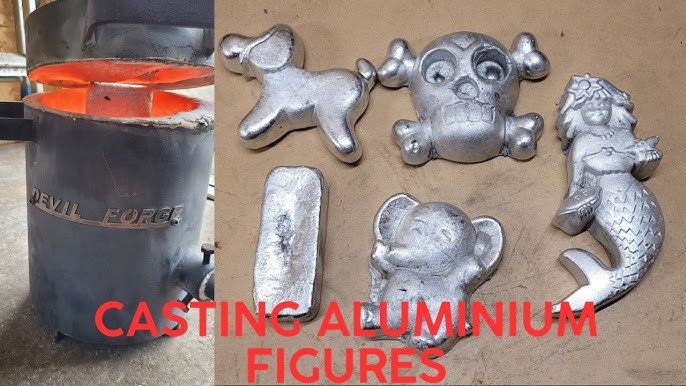
Aerospace Innovations
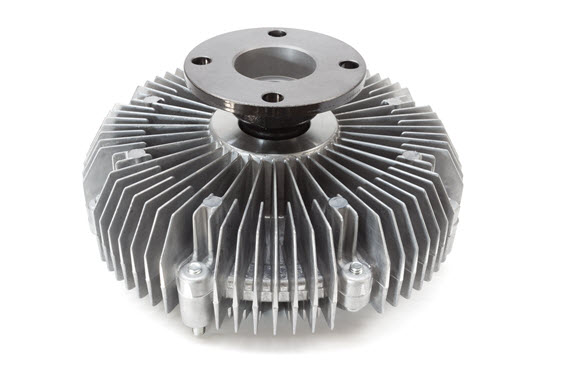
The usage of aerospace-grade Aluminum alloys improves resistance to corrosion and fatigue, vital for the demanding environments airplane face. Innovations in additive manufacturing also enable for quick prototyping and modification of components, reducing preparations and costs.
Building and construction and Infrastructure
While the building and construction and framework markets proceed to evolve, Aluminum factories are progressively acknowledged for their contributions to contemporary structure methods. Light weight aluminum's lightweight nature and high toughness make it an ideal product for numerous architectural applications. Factories provide elements such as light beams, structures, and facades that improve the toughness and long life of buildings and infrastructure jobs.Aluminum's corrosion resistance plays an important duty in extending the life-span of frameworks revealed to severe ecological problems. The energy effectiveness of Aluminum items also aligns with lasting building initiatives, adding to reduced power intake in building. In addition, innovative casting methods have increased the design opportunities, enabling designers and architects to produce cosmetically pleasing yet functional structures.
Electronics Manufacturing
Aluminum shops play a significant role in the electronics making sector, where the demand for lightweight and thermally conductive Aluminum Foundry materials is vital. Aluminum Castings. Elements such as warmth sinks, cases, and braces are commonly produced making use of Aluminum because of its outstanding thermal buildings and ability to dissipate warmth successfully. This is crucial in electronic tools, where getting too hot can lead to failure and decreased efficiencyThe flexibility of Aluminum allows for complex layouts and exact machining, which are important in contemporary electronic devices. On top of that, light weight aluminum's non-magnetic buildings make it ideal for applications in sensitive digital equipment, minimizing interference. Aluminum's resistance to corrosion improves the sturdiness of digital elements, making sure long life and dependability.
Sustainability and Recycling Initiatives
Given the enhancing emphasis on environmental responsibility, the Aluminum Foundry industry has made substantial strides in sustainability and recycling initiatives. Aluminum is inherently recyclable, allowing foundries to reuse and redeem product with minimal energy expense contrasted to key manufacturing. This closed-loop recycling process not just lowers waste but additionally decreases greenhouse gas exhausts, adding to a much more sustainable production model.Several shops are taking on energy-efficient modern technologies, including eco-friendly power resources, to power their operations. This change not only lowers reliance on fossil fuels but also improves general functional performance
Market cooperations are more promoting lasting methods, such as sharing finest methods and establishing cutting-edge recycling methods. By prioritizing these efforts, the Aluminum Foundry field is positioning itself as a leader in sustainable manufacturing, straightening with global targets for sustainability while meeting the needs of numerous sectors.
Regularly Asked Questions
What Are the Main Advantages of Utilizing Aluminum in Foundry Processes?
The key advantages of making use of Aluminum in Foundry processes include its light-weight nature, excellent corrosion resistance, high thermal and electric conductivity, and versatility, permitting for detailed layouts and effective recycling, ultimately enhancing overall manufacturing efficiency and lowering expenses. - Metal CastingsJust How Does Aluminum Foundry Effect Item Lifecycle Monitoring?
Aluminum Foundry significantly enhances product lifecycle administration by enabling efficient material use, reducing waste, and promoting recycling. Its light-weight buildings boost transport performance, while durability prolongs item life expectancy, inevitably adding to sustainability and cost-effectiveness in production.Exist Details Obstacles in Aluminum Foundry Production?
Specific challenges in Aluminum Foundry manufacturing consist of handling temperature control, guaranteeing worldly high quality, minimizing waste, and adjusting to rising and fall market demands. These factors can affect effectiveness, cost, and overall competition within the sector.What Precaution Are Important in Aluminum Foundry Workflow?
Vital precaution in Aluminum Foundry operations consist of personal safety tools, proper ventilation, normal tools upkeep, threat communication, and emergency reaction training. Carrying out these practices guarantees employee security and reduces dangers associated with high-temperature metal processing.Exactly how Does the Price of Aluminum Contrast to Various Other Steels in Foundry Use?
The expense of Aluminum is typically less than that of steels like copper and titanium, making it an economical option for numerous Foundry applications. This cost adds to its extensive usage throughout numerous markets.Aluminum foundries serve as a vital source within various markets. The vehicle sector progressively counts on Aluminum Foundry applications to improve car efficiency and efficiency. The product's recyclability likewise lines up with the industry's push towards sustainability, as recycled Aluminum calls for significantly much less power to procedure compared to main aluminum. Aluminum factories play a substantial role in the electronics manufacturing sector, where the demand for thermally conductive and lightweight materials is extremely important. Provided the boosting emphasis on environmental obligation, the Aluminum Foundry sector has made substantial strides in sustainability and recycling efforts.
Report this wiki page